The Triad
Three writers who quietly taught me how to love writing — and how to keep loving it when life got complicated.
Sylvia Plath
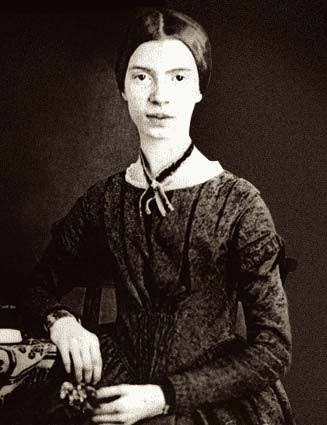
Plath taught me that a poem can be both a mirror and a scalpel. Not to dramatize pain — but to name it with precision, to strip a moment down until it tells the truth on its own. Her work gave me permission to be exact about the inner world: the sudden heat of a thought, the bright panic of memory, the way a room can become a verdict. If my writing sometimes feels like it’s trying to turn chaos into clean lines — that’s Plath in the bones of it.
Virginia Woolf
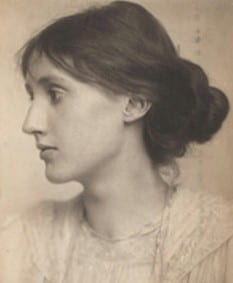
Woolf taught me how to listen to consciousness — the way a mind moves when no one is watching. How a single day can hold entire lifetimes, and how the most devastating scenes aren’t always loud. She made the interior feel like a landscape worth mapping: light on a wall, a sentence half-finished, the tidal pull of what went unsaid. When I write relationally, I’m often writing Woolf’s question in my own language: what happens to us in the spaces between our words?
Emily Dickinson
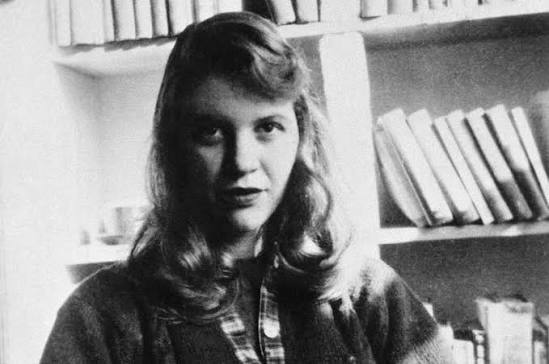
Dickinson taught me restraint with voltage — that you can whisper and still rearrange the room. She showed me how to compress the universe into a line break, how to let a poem hover rather than conclude. Her slant-truth lives in my work as permission: I don’t have to explain everything to be honest. Sometimes the most accurate thing you can do is leave the door slightly open and let the reader feel the draft.
Interested in features, collaborations, or interviews? kimmyfaewrittenwords@gmail.com